
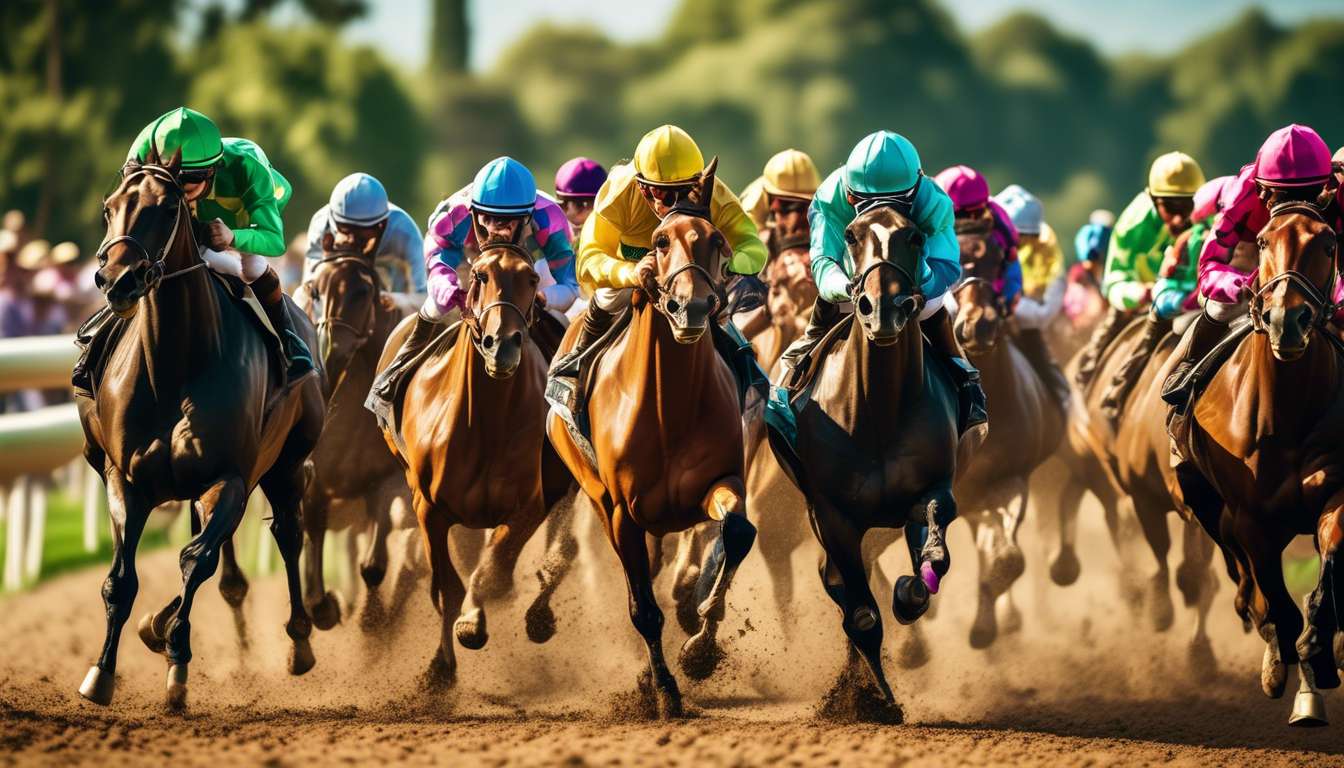
When we first dipped our toes into the exhilarating world of horse racing, we quickly realized that understanding the form guide was our essential ticket to truly enjoying the races. As beginners, we were eager to learn how to decipher the cryptic codes and numbers that seasoned bettors seemed to navigate with ease.
It became clear that the form guide, often seen as intimidating and complex, is actually a treasure trove of information that can enhance our experience and potentially improve our chances of picking a winner. In this article, we aim to demystify the form guide for fellow newcomers, breaking it down into manageable and understandable parts.
Together, we will explore the key elements of the form guide:
- Past Performance
- Track Conditions
- Jockey Statistics
By the end of our journey, we hope to empower ourselves and others to approach the races with confidence and excitement, ready to cheer on our chosen champions.
Understanding Past Performance
To truly grasp horse racing, we must analyze a horse’s past performance to predict its future success. By examining a horse’s previous results, we can uncover patterns and insights that inform our understanding of what might happen next.
It’s like being part of a community where we’re all trying to crack the code of racing success together. We look at the statistics of past races, noting how a horse performed under different conditions.
Key considerations include:
- Performance on different tracks
- Reactions to various weather conditions
Did they excel on a particular track or falter when the weather was unfavorable? These are the clues that guide our predictions.
We’re not just looking at dry numbers; we’re piecing together a story. A horse’s journey is filled with highs and lows, and by understanding these, we become part of that narrative.
We share in the anticipation and excitement, using the past as our guide. This shared experience strengthens our connection to the racing world, helping us feel like we truly belong.
Deciphering Track Conditions
Understanding track conditions is crucial as they significantly impact a horse’s performance and can turn the tide of a race.
When we delve into the world of horse racing, embracing the community’s shared wisdom about conditions becomes essential. Track surfaces vary—dirt, turf, synthetic—and each affects how horses run. Wet conditions, often called ‘off’ tracks, can favor horses known as ‘mudders,’ those with a history of performing well in the slop.
To make informed decisions, we need to analyze statistics that detail a horse’s past performances on different track types and conditions. By examining these statistics, we gain insight into how adaptable a horse might be to the day’s conditions.
It’s about creating a connection not just with fellow enthusiasts but also with the horses’ stories.
Together, we can enhance our understanding and appreciation of the sport. By mastering the track’s nuances, we become part of a community that values both skill and shared knowledge.
Analyzing Jockey Statistics
When we analyze jockey statistics, we gain valuable insights into their skill levels and race strategies, helping us make more informed betting decisions. By examining a jockey’s performance across different conditions, we can identify patterns that might influence the outcome of a race.
We focus on several key performance indicators:
- Win percentages
- Podium finishes
- How well they handle various track surfaces and weather conditions
These statistics are crucial for understanding a jockey’s strengths and weaknesses.
Let’s delve into how often a jockey wins or places on specific tracks and under specific conditions:
- Are they consistently performing well in wet conditions?
- Do they excel on certain types of tracks?
By analyzing these statistics, we can determine which jockeys excel under particular circumstances. This knowledge not only connects us with the larger community of horse racing enthusiasts but also enhances our shared experience.
By understanding these performance indicators, we’re not just spectators; we’re active participants, making informed choices and sharing in the excitement of the race.
Importance of Horse’s Age
Understanding a horse’s age is crucial because it significantly impacts their performance potential and stamina on race day.
Statistics reveal:
- Younger horses typically possess more speed and energy.
- They might lack the experience to handle different track conditions effectively.
As a community of racing enthusiasts, we should recognize that older horses often excel in races that test endurance, thanks to their maturity and experience.
Age-related statistics reveal patterns that can guide our betting decisions:
- Horses aged three to five are generally at their performance peak, combining speed with adaptability.
- Beyond that age, while their speed may decline, their seasoned understanding of racing nuances can be advantageous under the right conditions.
Let’s remember that each horse is unique, and while age offers a valuable framework for analysis, it’s our shared insights and discussions that deepen our understanding of a horse’s potential.
Together, we can appreciate the intricate dance of age and performance in horse racing.
Evaluating Trainer Performance
Assessing a Trainer’s Track Record
Assessing a trainer’s track record offers valuable insights into a horse’s potential success in upcoming races. A trainer’s performance reflects their ability to prepare horses under varying conditions and extract the best statistics from each race.
Key Factors to Consider:
Patterns of Consistency and Adaptability:
- Look for patterns in past performances that showcase a trainer’s consistency and adaptability.
Important Statistics:
- Win percentages
- Top-three finishes
- Performance across different race tracks
Impact of Conditions:
It’s essential to consider how well trainers manage horses in different weather and track conditions, as these factors can significantly impact race outcomes.
Community Engagement:
By evaluating these elements, we gain a deeper appreciation for the trainer’s role in a horse’s success. Let’s continue to engage with these details, strengthening our connections and understanding within this vibrant racing community.
Weight Carried by Horses
Understanding Weight in Horse Racing
Understanding the weight a horse carries in a race is crucial, as it directly affects their speed and stamina. By analyzing these factors, we can better predict a horse’s performance on race day.
Factors Influencing Weight Conditions
Different races have varied weight conditions, influenced by several factors:
- The horse’s age
- Experience
- Past performance
With this knowledge, we feel more connected and informed as part of the horse racing community.
Impact of Weight on Performance
Statistics show:
- Lighter weights generally give a horse an advantage, allowing for faster speeds.
- Experienced horses often carry more weight, which can impact their stamina over longer distances.
By examining these statistics, we can determine how different weights might affect a horse’s chances of winning.
Comprehensive Assessment of Race Dynamics
When assessing weight conditions, we also need to account for the jockey’s weight as part of the total carried. By doing so, we ensure a comprehensive understanding of the race dynamics, enhancing our shared passion for horse racing.
Significance of Equipment Changes
Equipment changes can significantly alter a horse’s performance, and understanding these modifications helps us make more informed betting decisions.
When we see changes like blinkers, tongue ties, or different shoe types, we should pay attention. These adjustments can enhance a horse’s:
- Focus
- Breathing
- Grip
These changes help horses adapt to specific race conditions. By tracking these changes, we start to feel like part of the insider community.
Statistics tell us that certain equipment changes have led to improved performance in the past.
For example, horses with newly added blinkers often show sharper focus, which can boost their chances of winning. As fellow enthusiasts, we share this knowledge, building our confidence and camaraderie.
By analyzing how equipment changes impact performance under varied conditions, we become more adept at spotting potential winners.
We’re not just spectators; we’re part of a team that understands the intricacies of horse racing. This shared insight connects us, enriching our overall experience in the thrilling world of horse racing.
Interpreting Race Class Levels
Understanding Race Class Levels
Understanding race class levels is crucial for assessing competition and predicting a horse’s performance accurately. Each class level indicates the quality of horses competing, similar to sports leagues with different divisions.
- By knowing a horse’s class, we can gauge if it’s stepping up to tougher competition or dropping to a more suitable level.
- This helps us determine if the horse might excel or struggle under the given conditions.
Race Conditions
Race conditions are another essential factor. These include:
- Distance
- Surface
- Track configuration
We should consider how these conditions align with a horse’s past performances.
Statistics
Statistics provide an objective view, showcasing how a horse has fared in similar scenarios. By analyzing stats, we can identify patterns that reveal a horse’s strengths and weaknesses.
Comprehensive Picture
Together, class levels, conditions, and statistics form a comprehensive picture. By understanding these elements, we become part of a savvy community that makes informed decisions, enhancing our enjoyment and success in horse racing.
How do I place a bet at a horse racing track?
When we go to a horse racing track, we engage in the exciting activity of placing bets on horses.
To place a bet, follow these steps:
- Select a Horse: Choose the horse you believe will win the race.
- Place Your Bet: Hand your money to the betting clerk.
- Receive a Ticket: The clerk gives you a ticket with the details of your bet.
If your chosen horse finishes first:
- Return to the betting clerk.
- Present your ticket.
- Collect Your Winnings: Enjoy the reward of your successful prediction.
This process creates an exciting experience as you root for your horse and see if your prediction pays off!
What are the different types of bets I can make in horse racing?
When we’re at the horse racing track, there are various types of bets we can make.
Win Bets
- Pick the horse that will come in first place.
Place Bets
- Your horse needs to finish in the top two or three.
Show Bets
- The horse must place in the top three.
These bets offer different levels of risk and reward for us to enjoy.
How does the starting gate position affect a horse’s performance?
Starting Gate Position and Horse Performance
When it comes to a horse’s performance, the starting gate position plays a crucial role.
Inside Positions:
- Horses closer to the inside have a shorter distance to cover, which can be advantageous, especially in shorter races.
Outside Positions:
- Outside positions can provide more space to maneuver, helping horses avoid potential traffic congestion.
Understanding how starting gate placement influences a horse’s race can help us make more informed betting decisions.
Conclusion
In conclusion, mastering the basics of horse racing form can greatly enhance your betting experience.
By understanding the following elements, you’ll be better equipped to make informed decisions at the track:
- Past performance
- Track conditions
- Jockey statistics
- Horse age
- Trainer performance
- Weight carried
- Equipment changes
- Race class levels
Keep studying and analyzing the form guide, and remember that practice makes perfect in the exciting world of horse racing.
Good luck and happy betting!